
Lbctracking / Care Library
Better pet routines, mapped clearly.
Practical guidance for the moment between “something changed” and “what should I do next?” Built for everyday observation, safer choices, and informed conversations with professionals.
Start with today’s guide ↗
A Gentle Morning Routine for Senior Dogs
Use traction, time, observation, and veterinarian-approved activity to help an older dog start the day without being rushed.
Read in 6 minutes →New and useful now
Four recently published guides selected across daily care, behavior, health, and equipment.
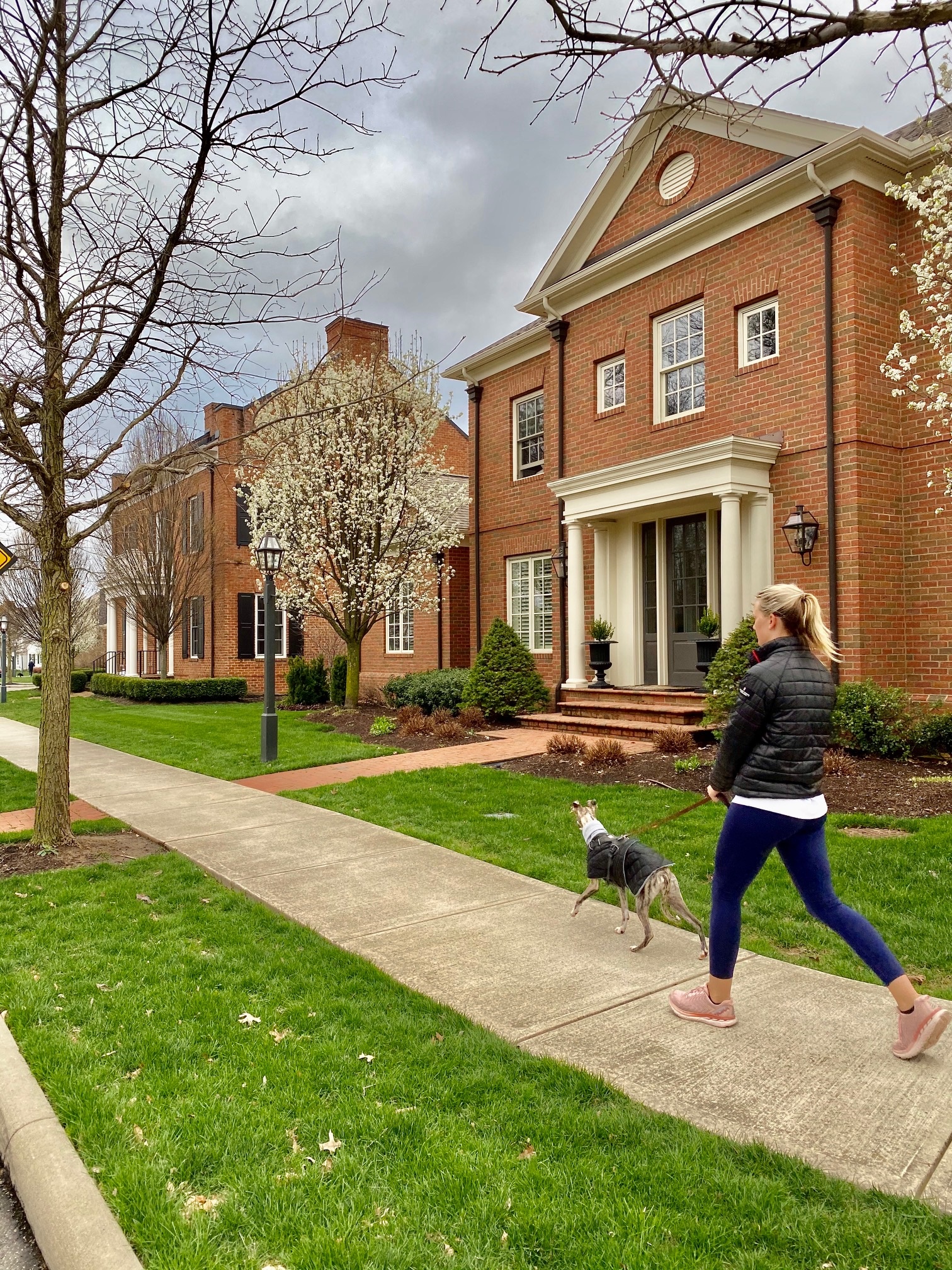 🐕
Introducing a Dog to a New Neighborhood After Moving
Build familiarity through short repeated routes, quiet observation, reliable identification, and plenty of recovery after relocation.
Open field note ↗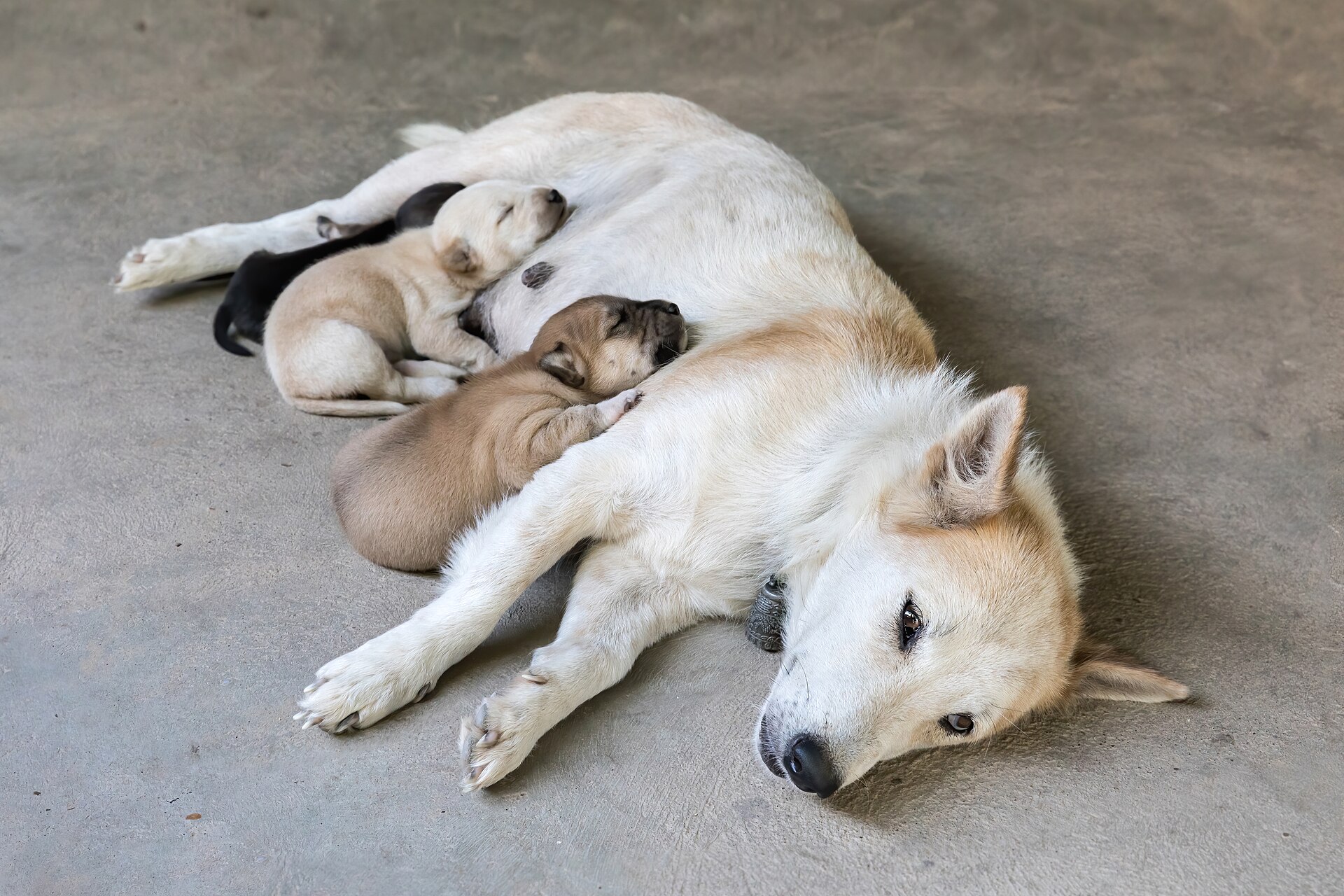 🐕
Helping a Dog Rest After an Exciting Day
Use a predictable decompression sequence after daycare, visitors, travel, or a big outing so excitement can settle into sleep.
Open field note ↗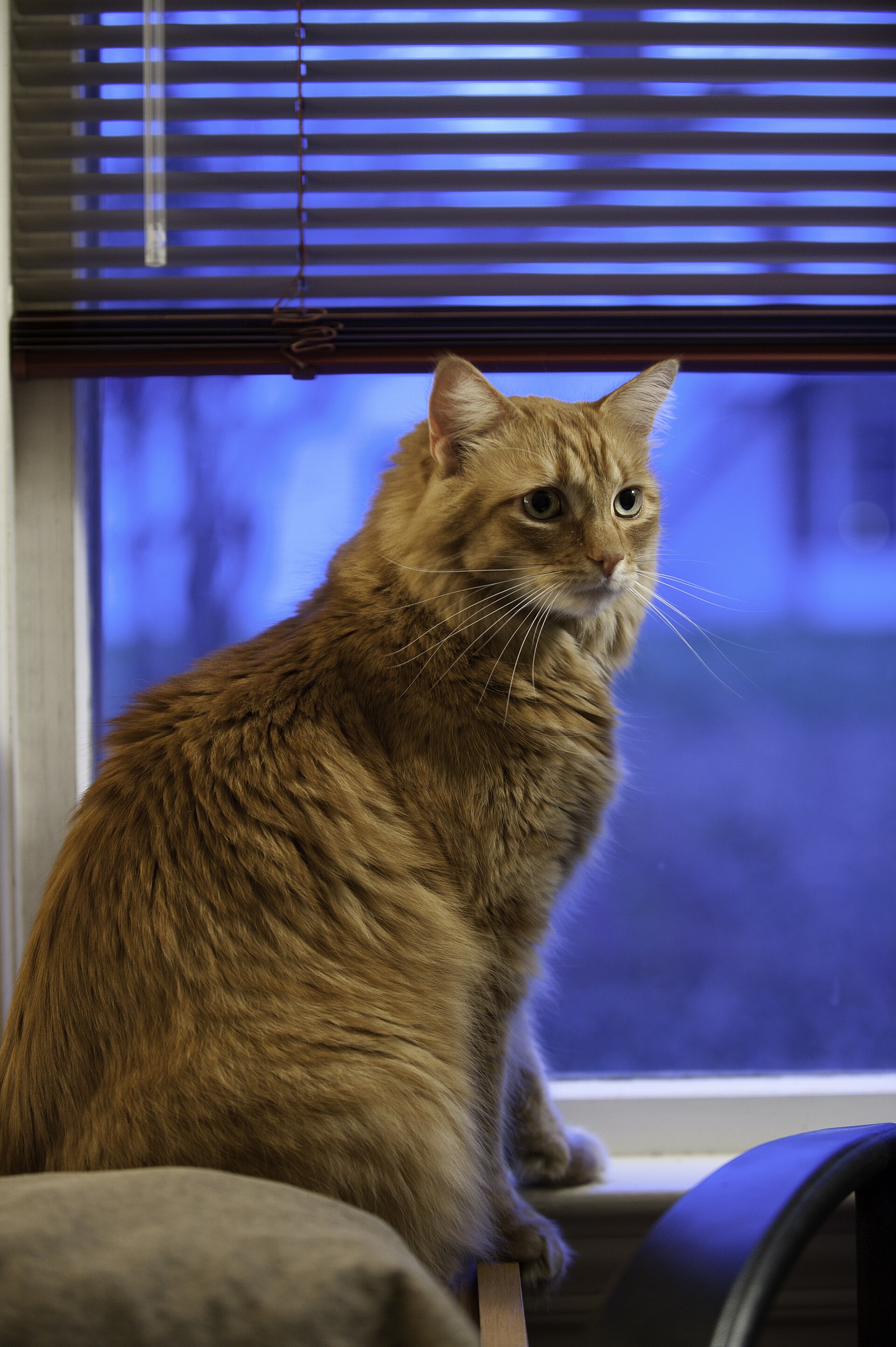 🐈
Creating Better Window-Watching Spaces for Indoor Cats
Build secure, comfortable observation spots with shade, escape routes, stable footing, and alternatives when outdoor activity becomes frustrating.
Open field note ↗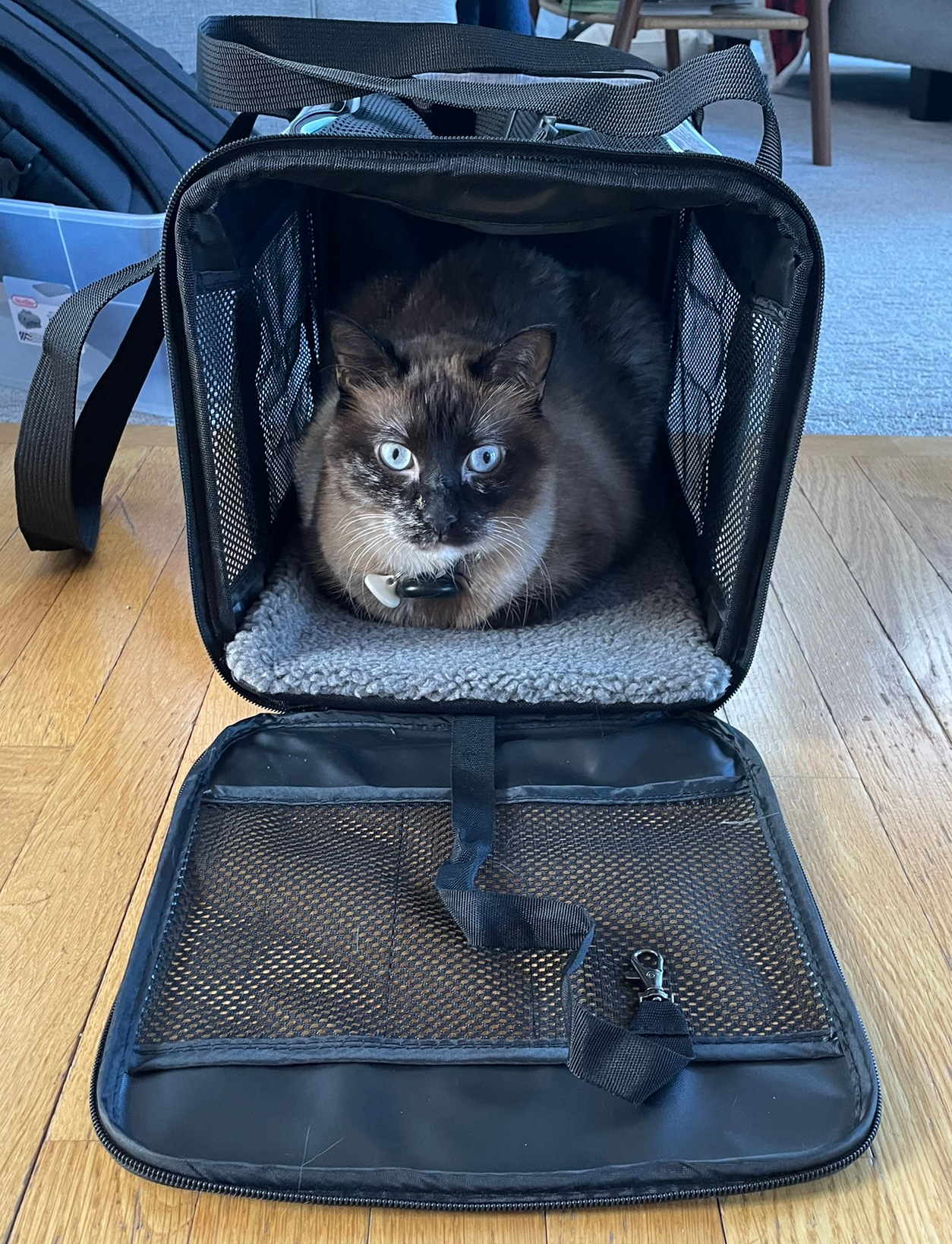 🐈
Making Carrier Training Part of Everyday Cat Life
Keep the carrier visible, comfortable, and rewarding so it is no longer a sudden signal that capture and travel are about to happen.
Open field note ↗Browse the latest field notes
Short paths into longer, original guides. Filter by the question you are trying to solve.
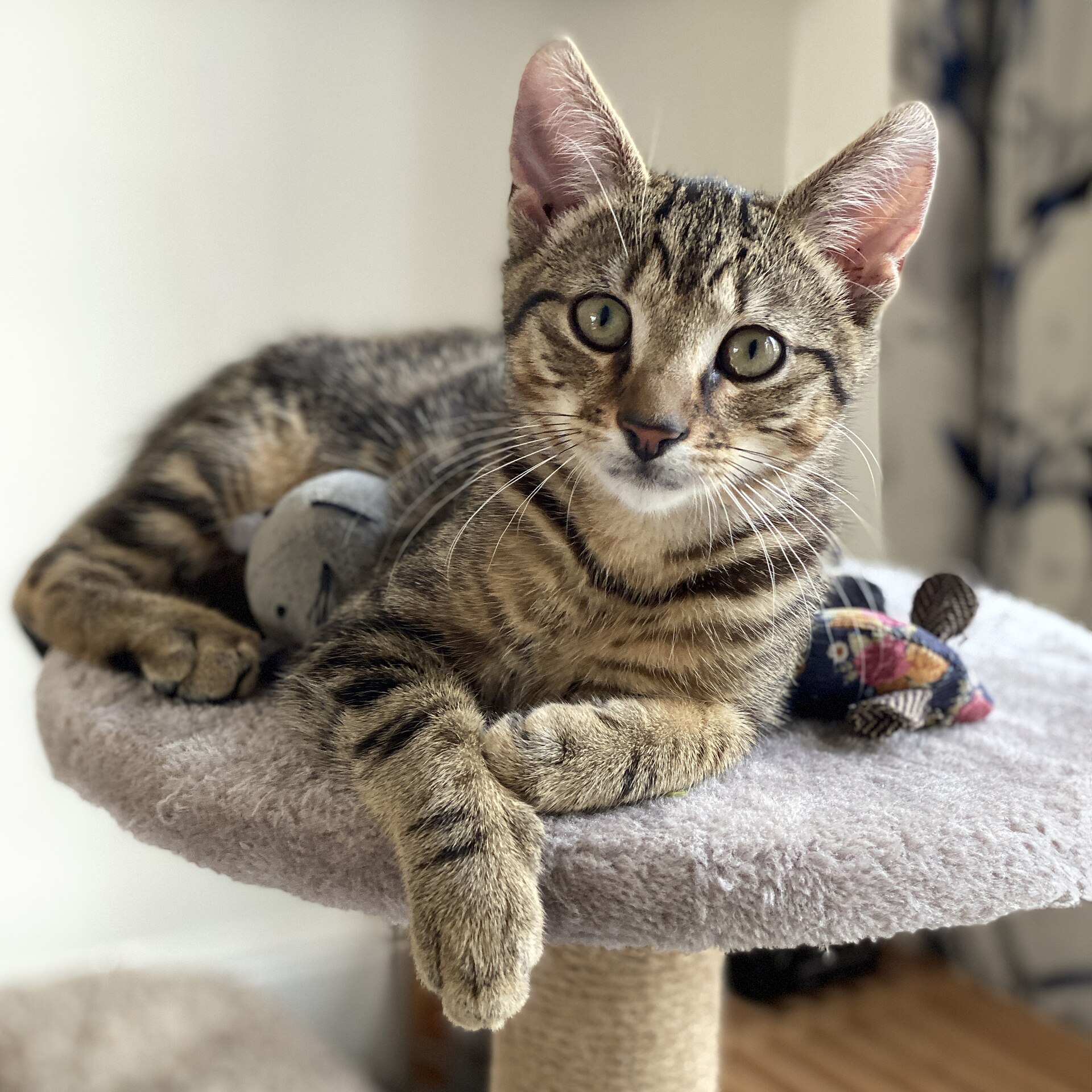 🐈
How to Rotate Cat Toys Without Buying More Stuff
Use small toy groups, varied movement, safe storage, and short interactive sessions to make familiar items interesting again.
Open field note ↗ ❤
What to Record When Pet Behavior Changes
Capture concise, safe observations that help a veterinary team understand timing, frequency, context, movement, and possible triggers.
Open field note ↗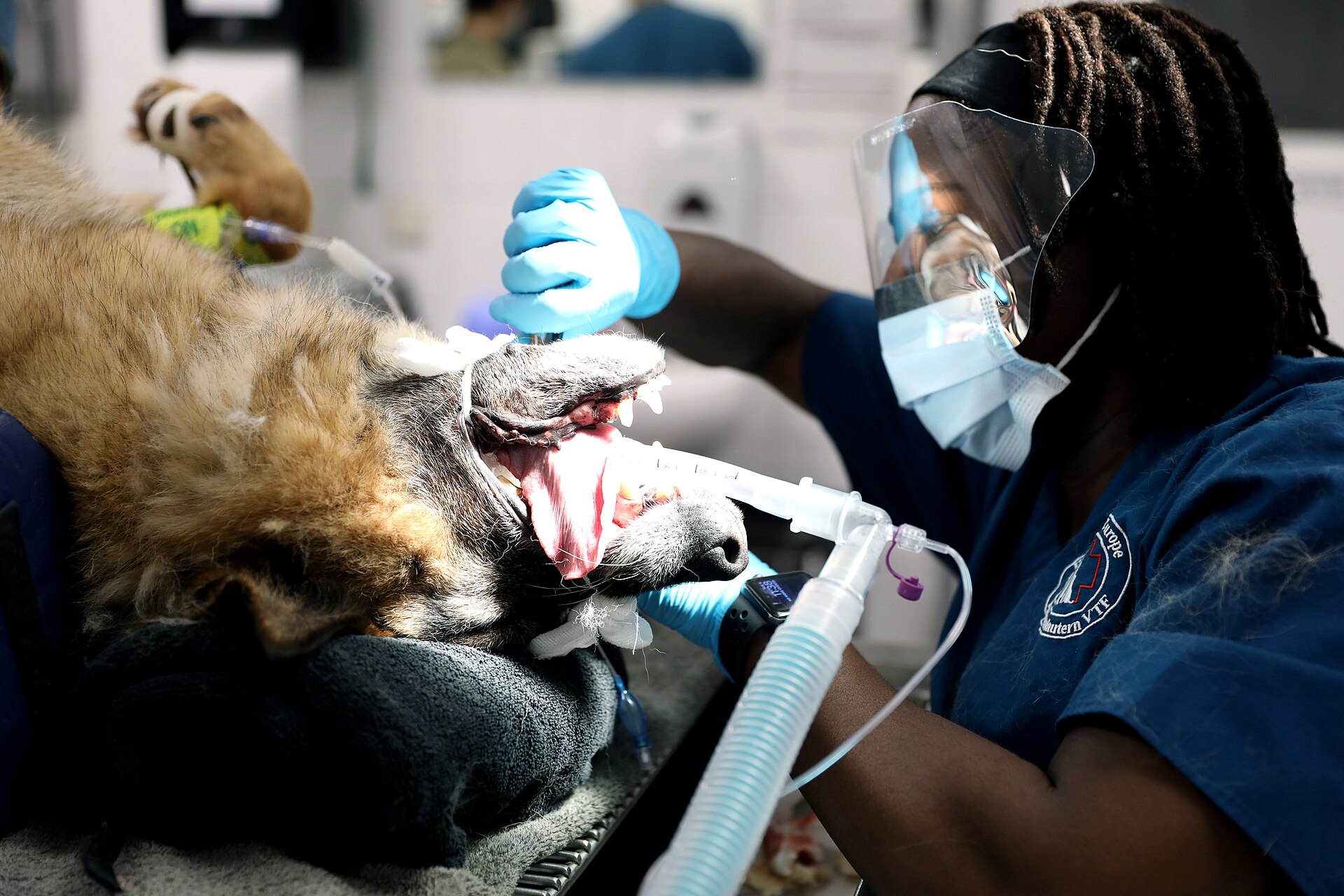 ❤
Routine Dental Care Questions to Ask Your Veterinarian
Prepare for a practical conversation about home brushing, professional assessment, diet, pain signs, and products appropriate for your pet.
Open field note ↗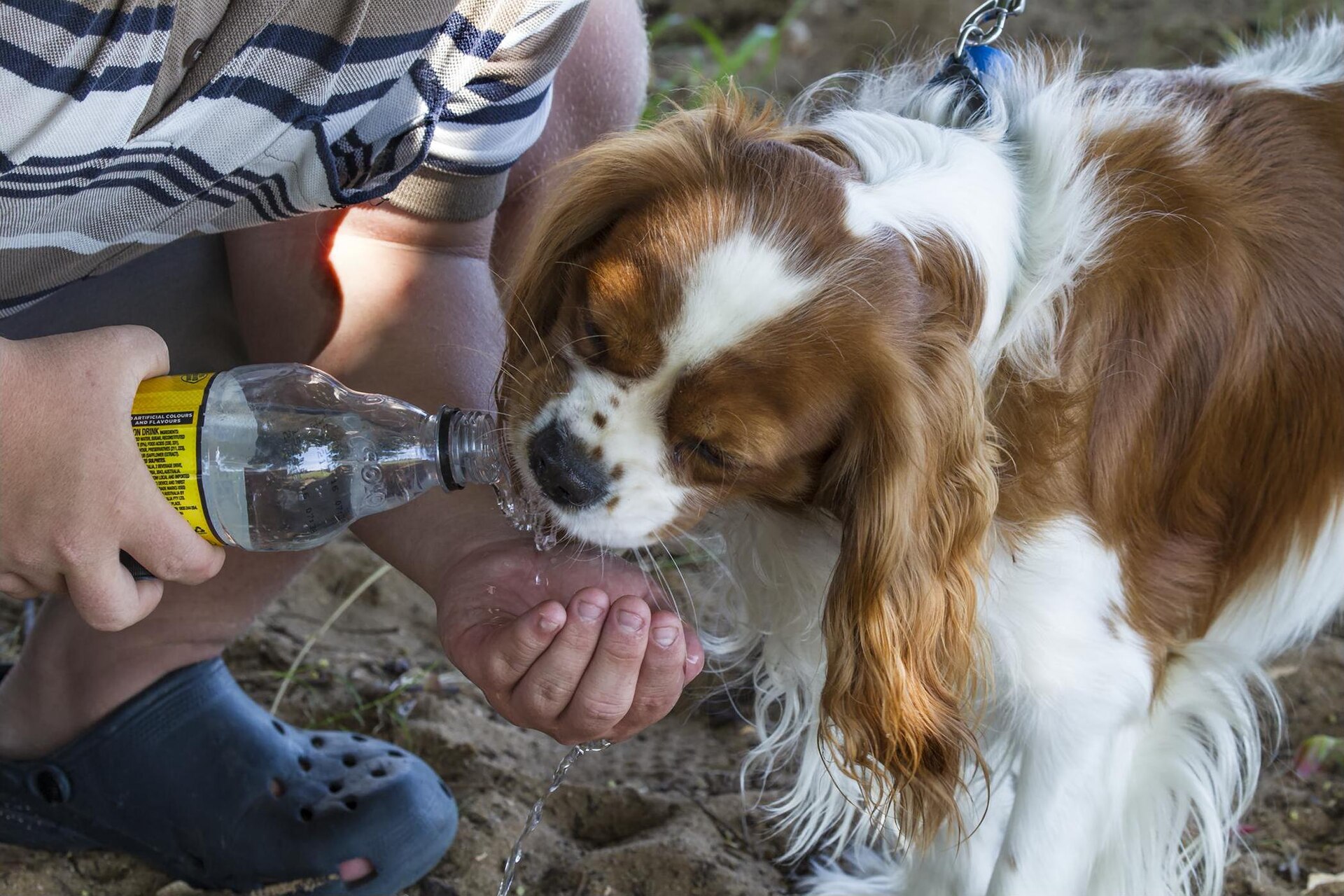 ❤
A Practical Hot-Weather Plan for Pets
Plan shade, water, cooler activity times, transport, and indoor recovery while recognizing that heat tolerance varies widely.
Open field note ↗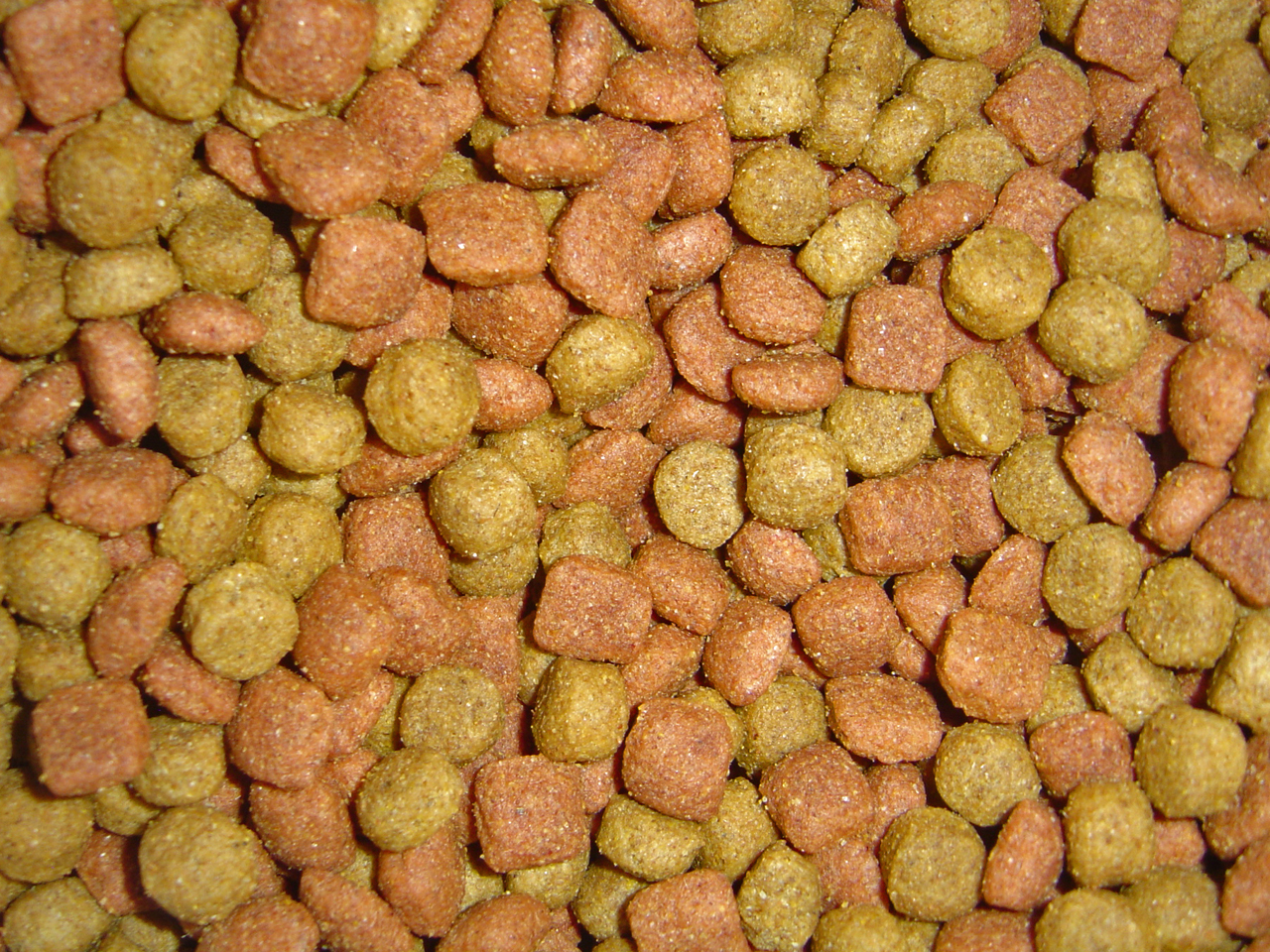 ●
Measuring Pet Portions in Shared Households
Create one daily allowance, one measurement method, and one visible handoff system to prevent unintentional overfeeding.
Open field note ↗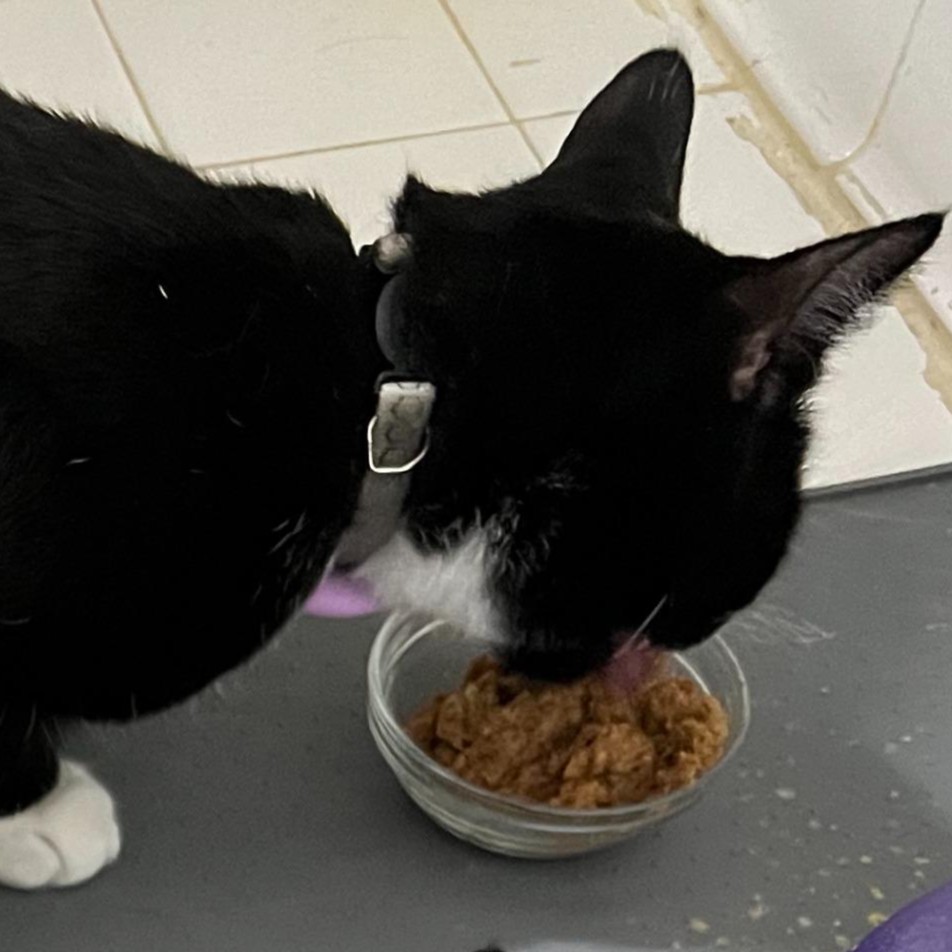 ●
Wet, Dry, or Mixed Feeding: Questions for Your Vet
Compare practical factors such as nutritional adequacy, calories, hydration, dental needs, storage, preference, and medical context.
Open field note ↗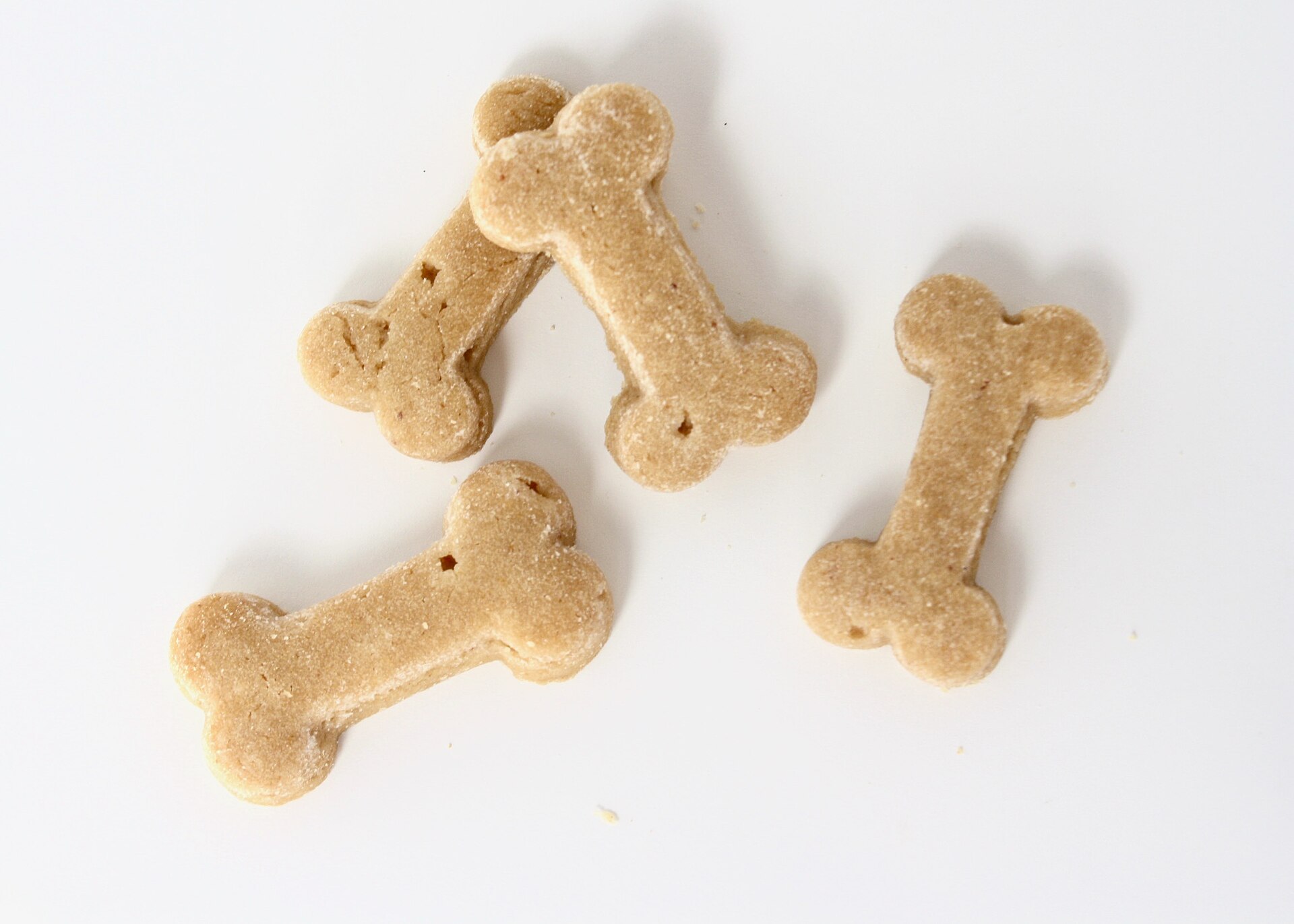 ●
Treat Budgets for Balanced Pet Meals
Make training rewards visible, choose practical sizes, and protect the nutritionally complete portion of the daily diet.
Open field note ↗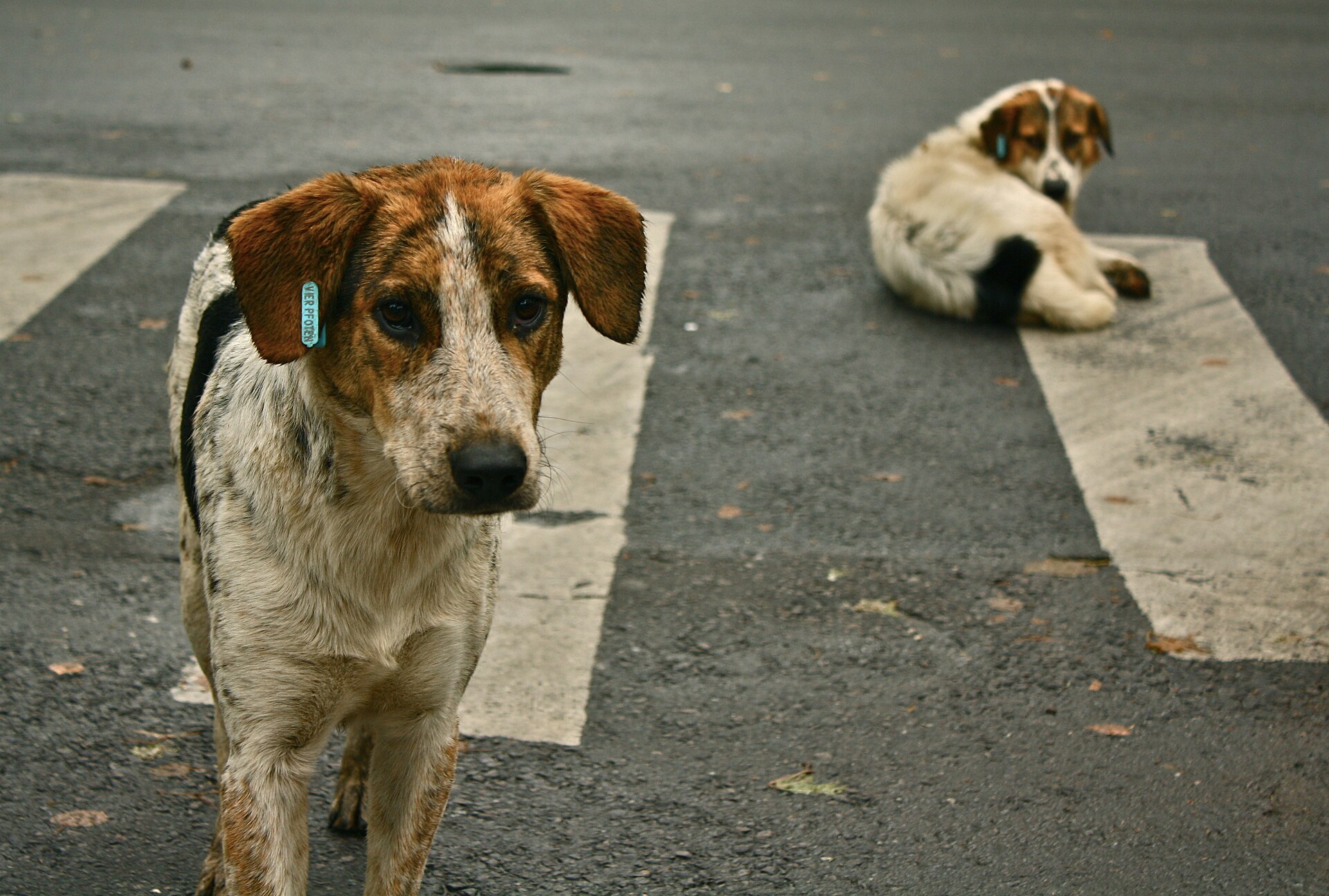 ◎
Teaching a Dog to Check In Before Crossing a Street
Build an automatic pause and orientation at curbs while keeping a secure leash and human traffic judgment as the real safety system.
Open field note ↗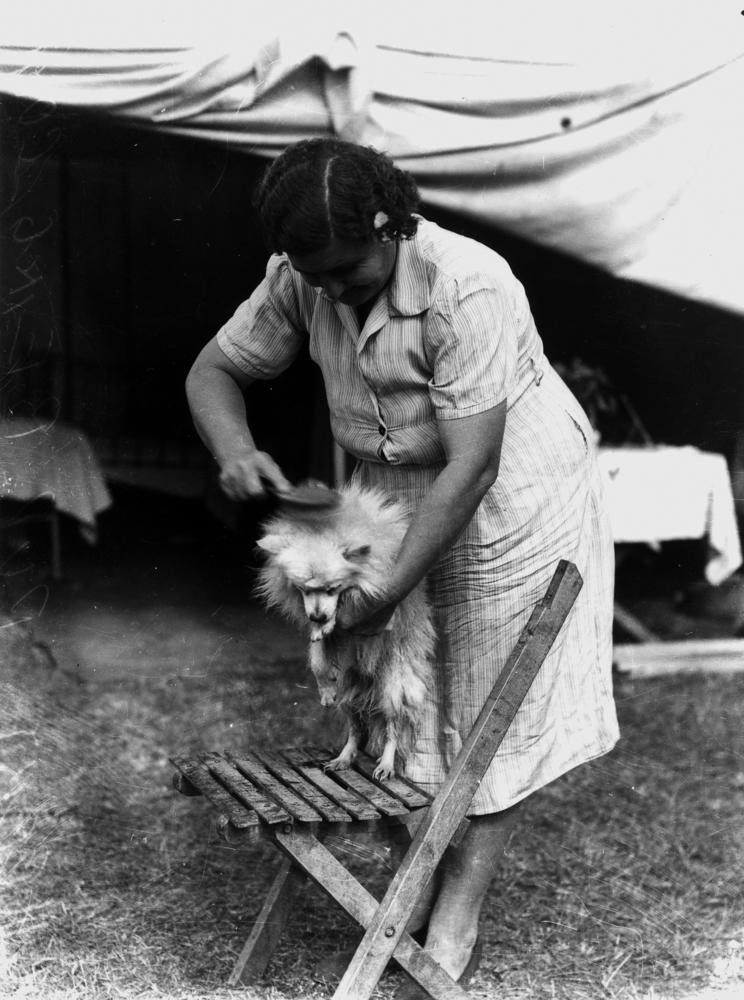 ◎
Cooperative Paw Handling and Brushing
Teach brief, voluntary participation with predictable start signals, tiny handling steps, frequent releases, and professional help when needed.
Open field note ↗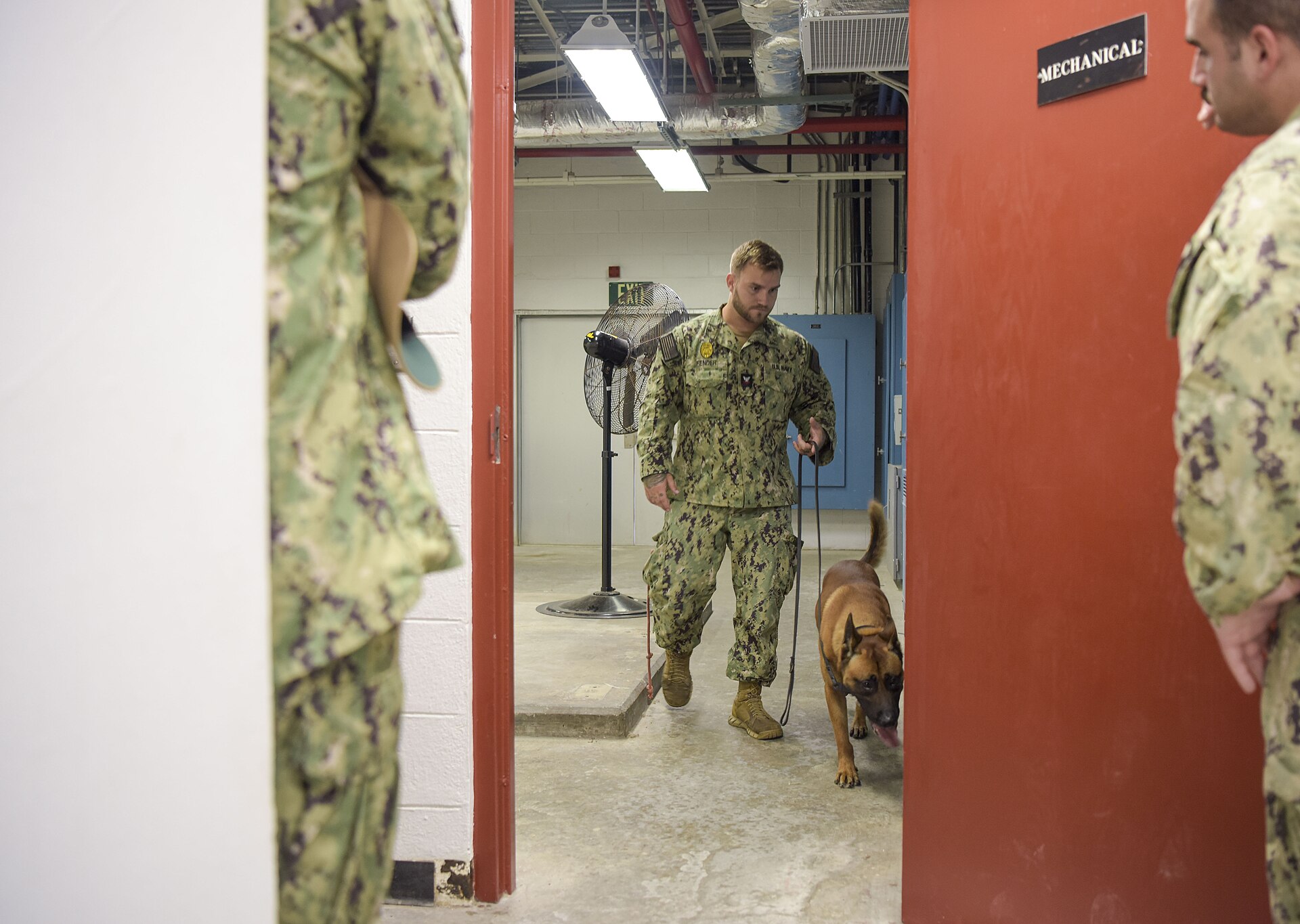 ◎
Low-Pressure Dog Training on Everyday Walks
Use naturally occurring pauses, sniffing access, route choices, and a few well-timed rewards instead of drilling through the entire walk.
Open field note ↗ ◆
Choosing Washable Pet Bedding for Real Homes
Compare support, dimensions, cover construction, drying time, traction, and replacement parts before buying for everyday use.
Open field note ↗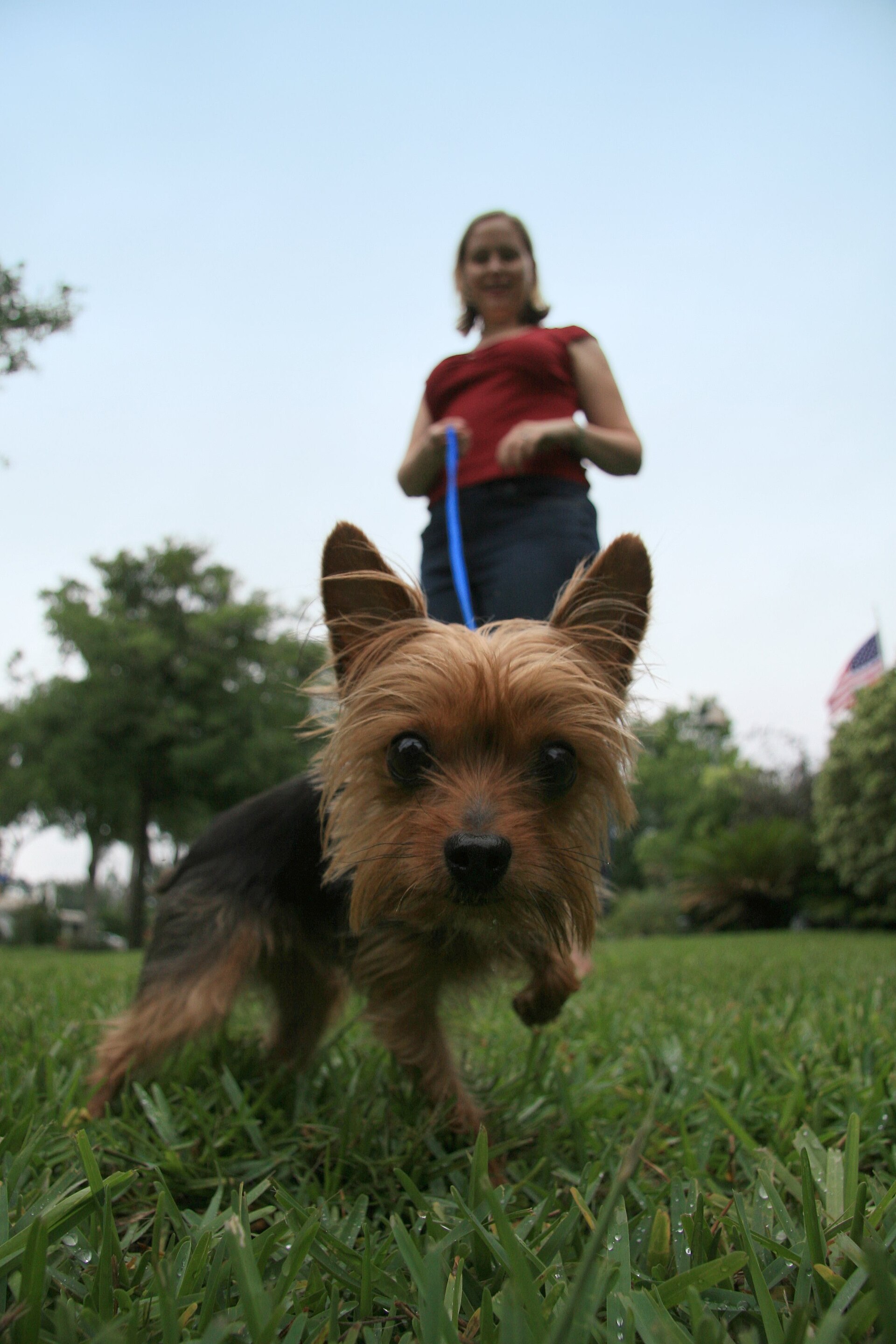 ◆
Leash Clips, Lengths, and Everyday Safety
Understand common leash components, choose for the dog and environment, and inspect high-stress points before every outing.
Open field note ↗Observe. Adjust. Record.
Good care is rarely one dramatic fix. It is a repeatable loop: notice the baseline, change one useful thing, watch the response, and bring clear notes to a veterinarian or qualified professional when the situation calls for it.